Why “LTS” ?
The need of Long-Term sustainability
The humanity entered the Anthropocene Epoch.
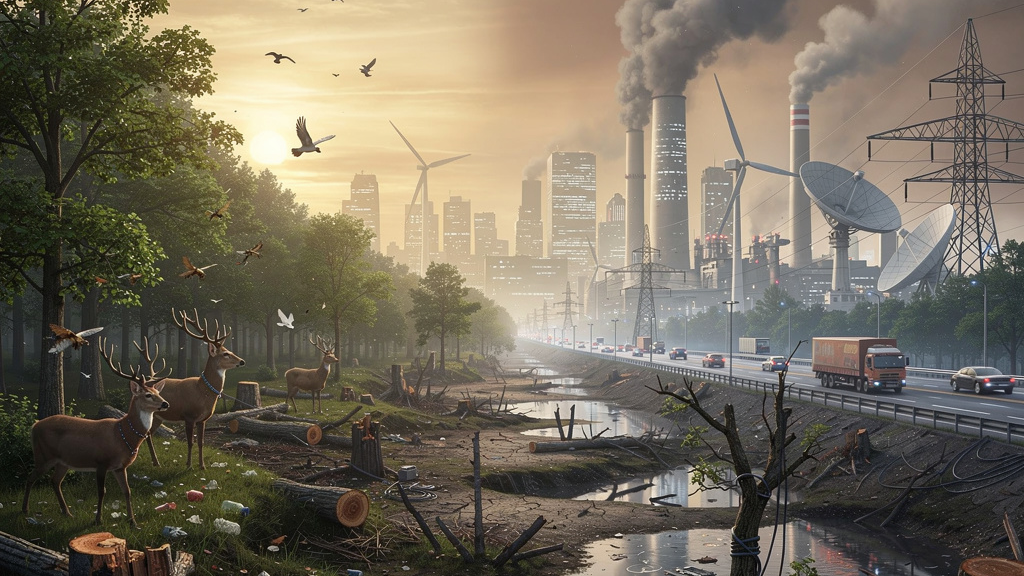
Today, human beings play a fundamental role in shaping the environment, the climate, the atmosphere, ecosystems, resources, and energy. It is therefore our responsibility to manage this planet, the only habitable one, with reason and foresight.
As a species striving to secure its own survival, it is our collective duty to safeguard Earth in a manner that ensures its long-term sustainability.
This is not a political issue, nor is it subject to dispute. Sustainability is an imperative; without it, our species risks extinction.
Sustainability in Software world ?
(source) In the 1970s the US Department of Defense (DoD) became concerned by the number of different programming languages being used for its embedded computer system projects, many of which were obsolete or hardware-dependent, and none of which supported safe modular programming.
To achieve sustainable software, you need a sustainable programming language to ensure that the code is maintainable in the Long-Term; a programming language that meets the following requirements:
- is widely used, has been standardized, has been formally specified (ISO, …)
- is independent of any specific hardware architecture
- is independent of a specific operating system or family of OS
- is independent of any specific CPU manufacturer
- has several compilers, provided by independent publishers
- preferably, has a fully Open Source implementation (compiler, development environment, execution environment, dependencies such as linkers, debuggers, …)
A second important criterion is a programming language that promotes code readability and re-usability. Indeed, thanks to strong variable typing, an explanatory variable naming policy, and mandatory comments, source code is more likely to be reusable in future versions or in similar software projects. This is why modern computers use libraries and modules, or even object-oriented programming, with declared software interfaces and functionalities (APIs).
It is no secret that Scada-LTS is based on Java, the “universal” language that works on any type of platform, processor or operating system, has a strict definition and has multiple sources of implementations (JVMs and compilers).
Last but not least, there is an Open Source version, OpenJDK, and it’s a language developed initially for the almost universal OS family: Unix/Linux.
The need for a strictly standardized programming language (with a published norm) is to ensure that the same source code can be recompiled over the Long-Term, with exactly the same result. This is what we observe with strictly defined programming languages such as COBOL, C, C++, ADA, Pascal, Bash, … and Java.
However, in order to ensure Long-Term software maintenance, it is also required to have access to its source code. This is why a long-term sustainable SCADA system must be provided in source code form, with the guarantee that the user will retain the right to use, recompile, modify, adapt it on any platform, for any purpose and for any duration.
This assurance is provided by the license supplied with Scada-LTS: the GPL licence.
Any other sustainable aspect ?
Abil’I.T. is not only present in solar parks, wastewater treatment plants and recycling centres with its SCADA system.
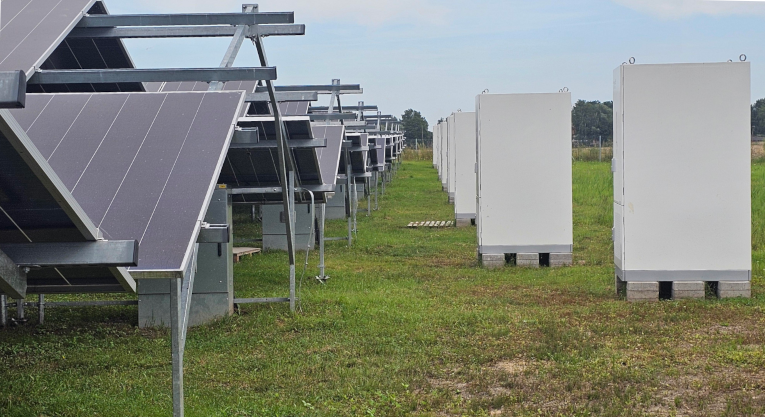
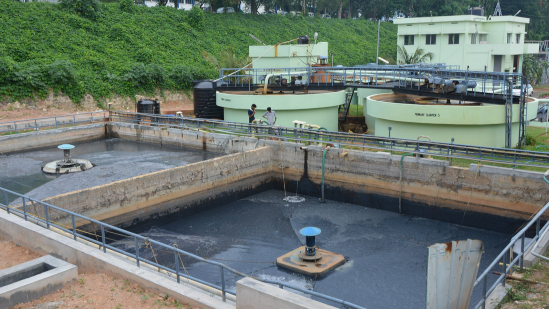
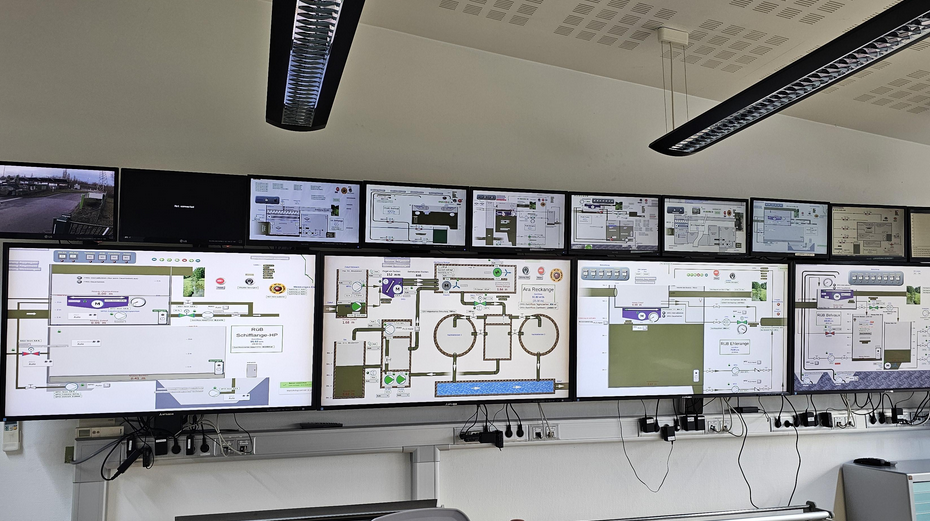
We have also developed various other industrial applications related to the need for a Sustainable World: recycling centre management software (GateKeeper), including peripheral equipment and interconnections with authorities, connected waste bins (the “Cyber-Poubelle“), etc., always related to Long-Term Sustainability.

We build
Sustainable Software
for a Sustainable World.
since more than 15 years
(Abil’I.T. creation date was 2010).
This entails that all our software reuses existing source code as much as possible (code recycling), is maintainable in the Long-Term (thanks to appropriate technological choices, such as the programming language, but also dependencies and hardware platforms) and distributed under the GPL (Open Source) licence for maximum sustainability, both in the physical and digital worlds.